Cannabis consumption has evolved dramatically over the past decade. While traditional smoking remains popular, many consumers now prefer vapes, edibles, tinctures, drinks, or concentrates. Interestingly, the preferred method of consumption varies greatly by age group. Generational influences, lifestyle habits, health preferences, and technology all shape how different age brackets interact with cannabis.
Below is an age-segmented look at consumption trends, backed by industry insights and consumer research.
Overview of Cannabis Consumption Methods
Modern cannabis products come in several primary forms:
- Smoking (flower, pre-rolls)
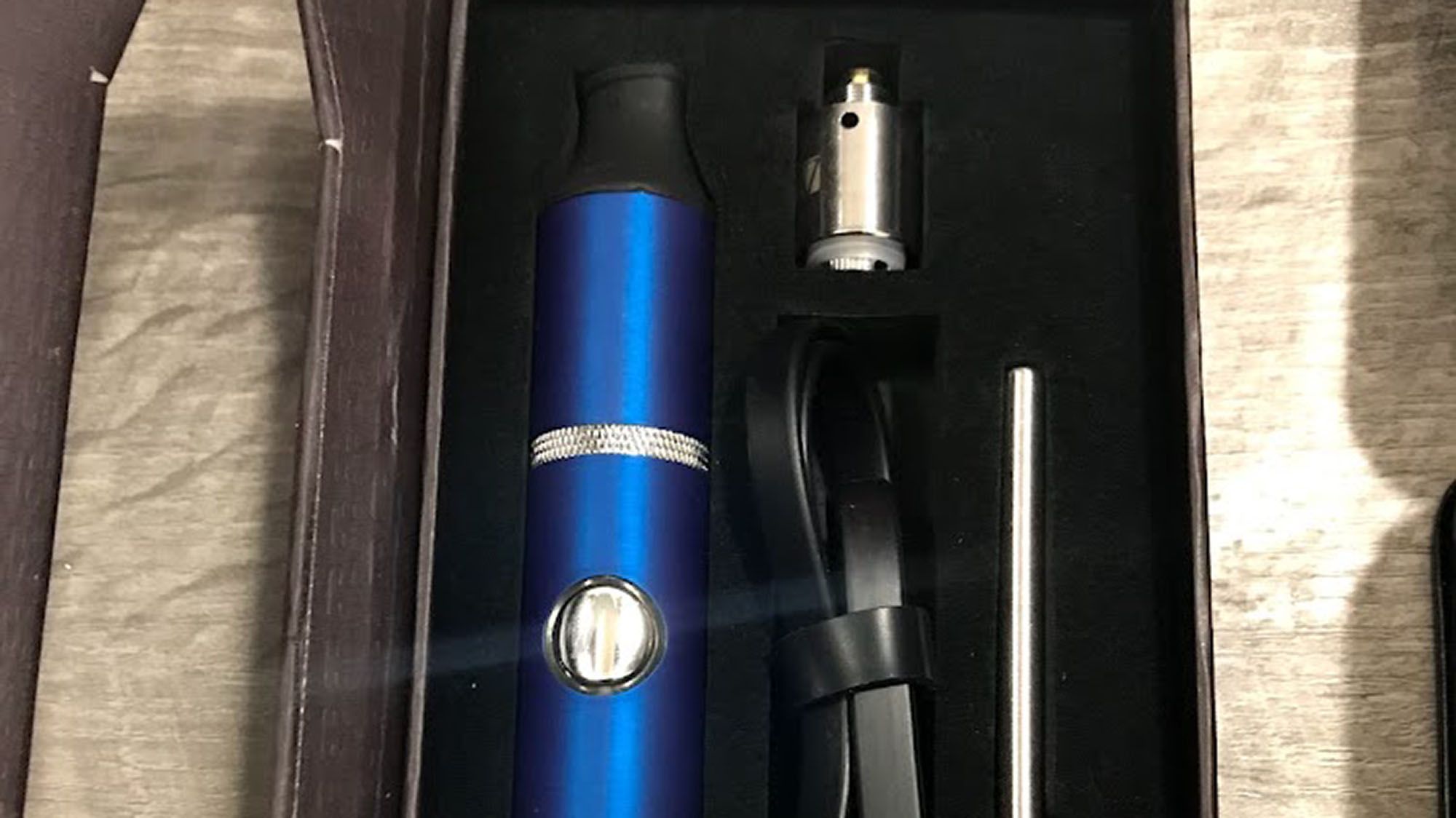
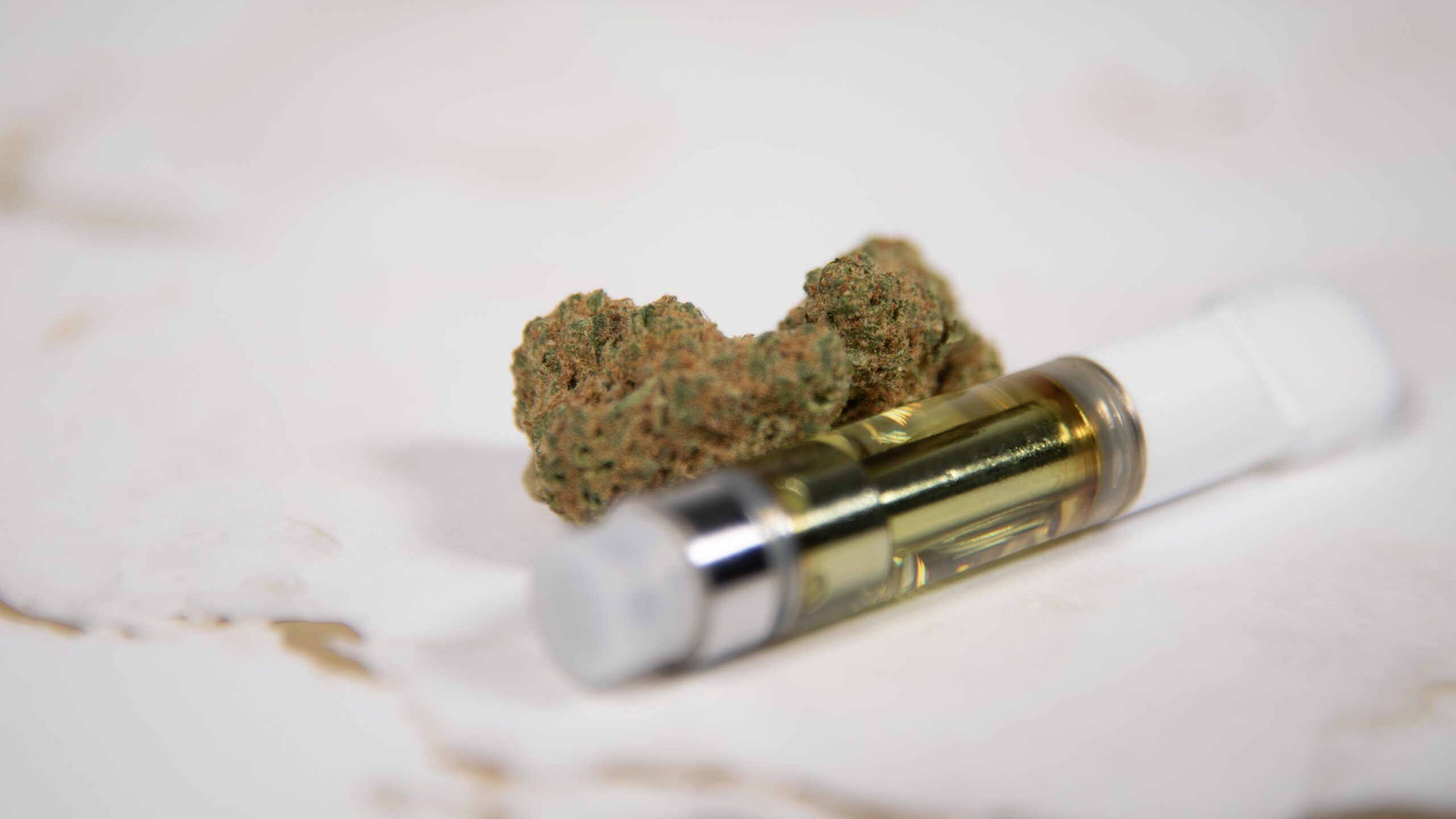
- Vaping (cartridges, dry herb vaporizers)
- Edibles (gummies, chocolates, beverages)
- Tinctures and oils
- Topicals (creams, balms)
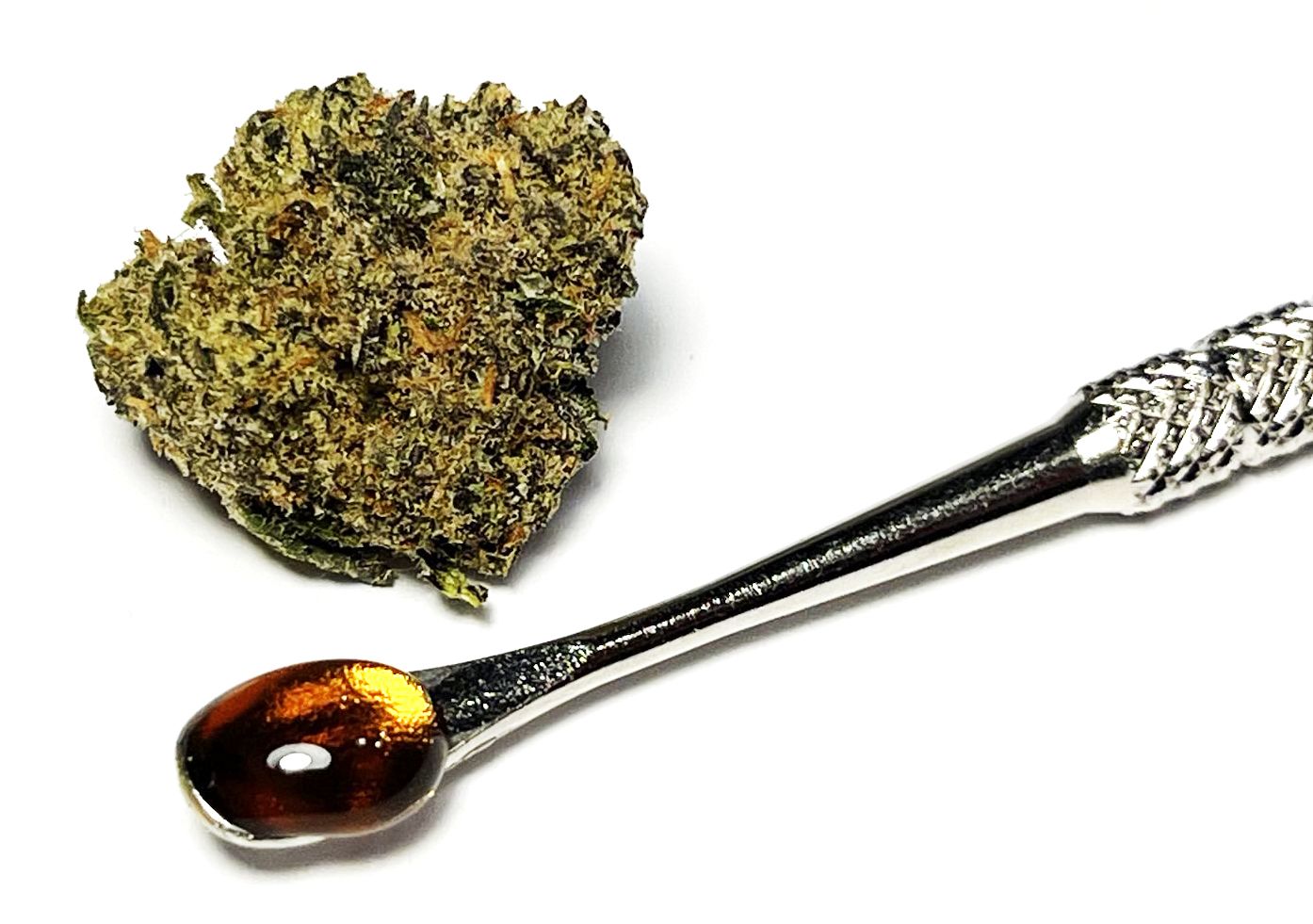
- Concentrates (dabs, resin, rosin)
Each method appeals to different consumers based on potency, discretion, convenience, wellness goals, or cultural familiarity.
Ages 18–25: Vapes, Edibles & Pre-Rolls
Most Common Methods
- Vape pens
- Edibles
- Pre-rolls
- Dab pens/concentrates (rising trend)
Why This Age Bracket Prefers These Methods
- Discretion & Convenience
Young adults often live in shared spaces or college housing. Vape pens offer low odor and portability. - Tech-Forward Consumption
This group gravitates toward technology-driven options such as rechargeable vape devices, dab pens, and disposable cartridges. - Edibles for Social Settings
Gummies and infused drinks are easy to dose, easy to share, and do not require smoking — fitting well with social environments. - Influence of Social Media Trends
Platforms like TikTok and Instagram promote new products, cannabis beverages, and “microdosing culture,” shaping consumption habits.
Generational Identity:
Gen Z values convenience, discretion, and wellness branding, making edibles and vapes top choices.
Ages 26–40: Balanced Consumption — Flower, Edibles & Vapes
Most Common Methods
- Flower (joints, bowls, bongs)
- Vaping
- Edibles
- Tinctures (for wellness routines)
Why This Age Bracket Prefers These Methods
- Nostalgia Meets Modern Convenience
Millennials grew up during cannabis normalization and often feel comfortable with traditional flower, but still enjoy modern vape products. - Work-Life Balance Consumption
This group favors edibles and tinctures for relaxation and stress relief, especially after work or while managing families. - Microdosing for Wellness
Millennials lead the trend in low-dose gummies and tinctures for anxiety, sleep, and recovery. - Balanced Approach
This age bracket uses multiple methods depending on setting — vapes for out-of-home use, flower for weekends, edibles for evening relaxation.
Generational Identity:
Millennials value customizable, wellness-driven, and versatile cannabis products.
Ages 41–55: Flower & Edibles Dominate
Most Common Methods
- Flower (still #1 for this age group)
- Edibles
- Tinctures
- Vapes (but with caution)
Why This Age Bracket Prefers These Methods
- Comfort With Traditional Smoking
Gen X grew up in an era where smoking was more culturally common. Many stay loyal to flower. - Health-Conscious Transition to Edibles
As concerns about lung health increase, this group is shifting toward edibles and tinctures. - Pain Relief & Sleep Support
Many in this bracket explore cannabis for medical reasons such as joint pain, chronic inflammation, and sleep issues. - Moderate Adoption of Technology
Some use vape cartridges, but are more cautious due to long-term safety questions.
Generational Identity:
Gen X prefers familiar products, but increasingly turns to edibles and tinctures for wellness.
Ages 56+ (Seniors): Tinctures, Edibles & Topicals
Most Common Methods
- Tinctures (drops under the tongue)
- Edibles (low-dose gummies)
- Topicals (creams, balms, patches)
- Capsules
- (Flower is used by some experienced seniors, but far less than younger groups)
Why This Age Bracket Prefers These Methods
- Ease of Use
Tinctures and capsules offer consistent dosing without the need to inhale anything. - Medical Motivations
Seniors often seek symptom relief for arthritis, neuropathy, chronic pain, and insomnia. - Avoidance of Smoke
Smoking is typically the least preferred method due to respiratory concerns. - Gradual Introduction Through Low-Dose Edibles
Many seniors prefer 1–2.5 mg edibles, creating a safe entry point for new patients.
Generational Identity:
Older adults prioritize health, safety, and simplicity, making tinctures and topicals the top choices.
Why Each Generation Consumes Cannabis Differently
Cultural Exposure
- Gen Z grew up with legalization; seniors grew up under prohibition.
- Millennials experienced the transition and adapted to new technologies.
Lifestyle Factors
- Younger adults prefer convenience.
- Older adults prefer health-driven options.
Technological Adoption
- Vape products appeal most to younger consumers.
- Seniors prefer easy oral formats.
Physical Tolerance & Health Needs
- Younger consumers may enjoy stronger products like concentrates.
- Older consumers seek symptom relief, not intensity.
Helpful Reference Websites
Here are five reputable sites for further reading on cannabis consumption trends:
- Leafly – Cannabis Consumption Trends & Guides
https://www.leafly.com - Marijuana Moment – Industry & Policy Reporting
https://www.marijuanamoment.net - NORML – Research on Cannabis Use Across Age Groups
https://norml.org - Weedmaps – Product Education & Method Comparisons
https://www.weedmaps.com - Project CBD – Wellness & Medical Use Insights
https://www.projectcbd.org
Final Thoughts
Cannabis consumption is evolving — and generational influence plays a huge role in how people choose to use it. From vape pens dominating Gen Z trends to tinctures supporting seniors’ wellness routines, every age group has its own reasons for preferring certain methods.
Understanding these patterns helps consumers choose responsibly and helps businesses tailor products to different age demographics.